
Participating researchers:
Nadia Harerimana
ESSGN Doctoral Candidate
Email: harerimana@mpib-berlin.mpg.de
Nadia Harerimana is a Predoctoral Fellow with the Max Planck Research Group Biosocial – Biology, Social Disparities, and Development, at the Max Planck Institute for Human Development in Berlin, Germany. Her research focuses on how genetic factors, geographic mobility, and social stratification influence education and health outcomes. Previously, Nadia worked as a Bioinformatician in the Department of Genetics and Genomic Sciences at the Icahn School of Medicine at Mount Sinai. She holds an MSc in Genetics and Molecular Biology from Emory University and a BA in Human Ecology from the College of the Atlantic.
Laurel Raffington
Research Group Leader
Email: raffington@mpib-berlin.mpg.de
Website: https://www.mpib-berlin.mpg.de/staff/laurel-raffington
Laurel Raffington is the founder and leader of the independent Max Planck Research Group Biosocial – Biology, Social Disparities, and Development, at the Max Planck Institute for Human Development in Berlin, Germany. Her research focuses on the intersection of genetic influences and social inequality, examining how these factors combine to shape differential outcomes of education and health across the lifespan. To do this, she integrates genomic innovations into longitudinal population cohorts, family studies, and randomized trials aimed at improving child well-being. Her future plans include developing innovative genomic biomarkers, primarily based on DNA methylation, that are particularly sensitive to the interplay between genes and the environment in childhood and may have persistent effects on later life well-being.
Sepideh Zarandooz
Affiliated doctoral candidate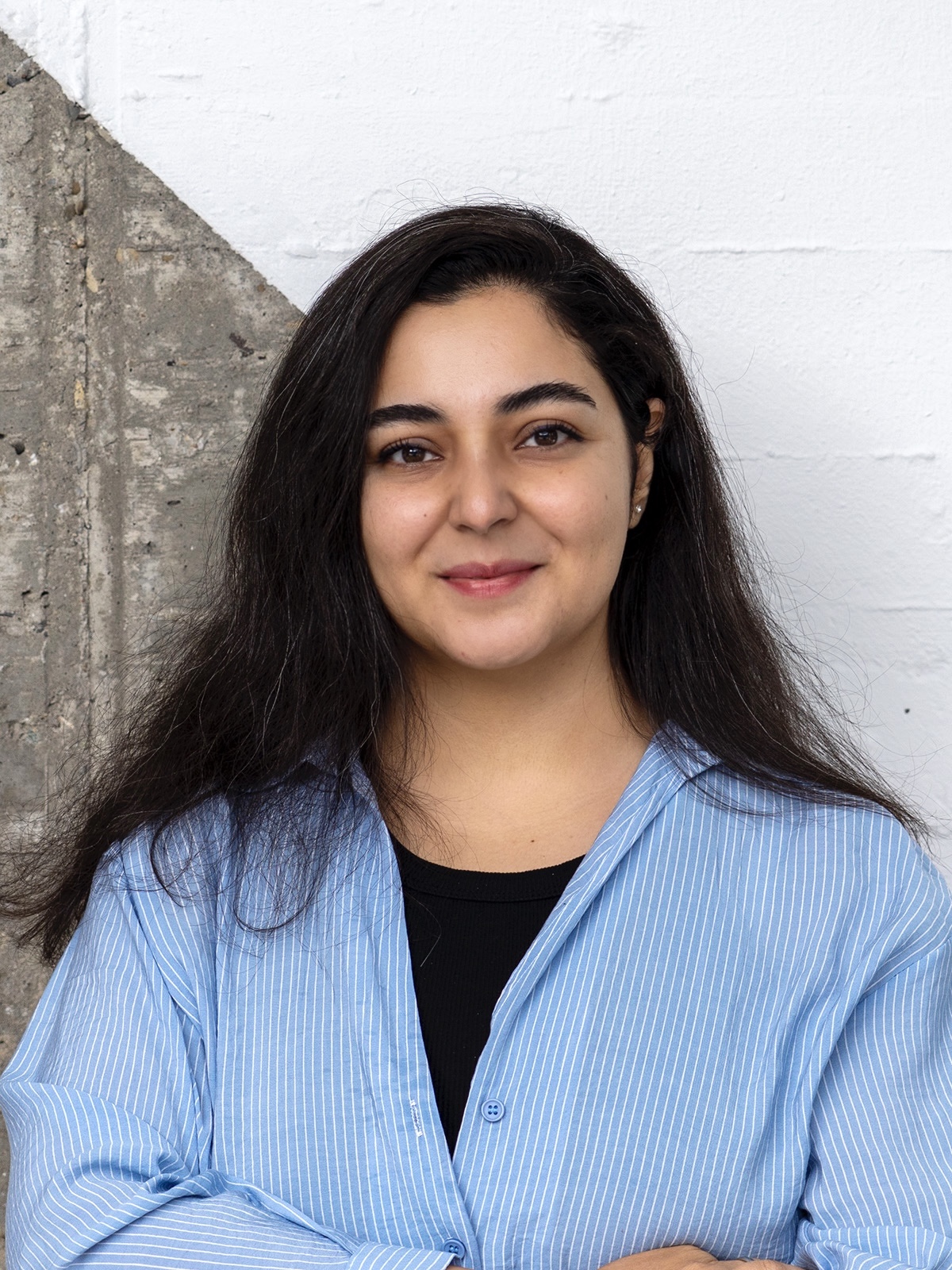
Email: zarandooz@mpib-berlin.mpg.de
Sepideh Zarandooz is a PhD student in the Max Planck Research Group on Biosocial – Biology, Social Disparities, and Development at the Max Planck Institute for Human Development in Berlin, Germany. She holds an M.Sc. in Biology and Genomics science from the University of Bielefeld. Her research focuses on saliva DNA methylation as a biomarker for social determinants of health across the lifespan and generations. She is particularly interested in investigating the degree of similarity/dissimilarity of the epigenome between individuals in family studies (such as parent-offspring and siblings) living in the same environment, and how this epigenomic individuality is shaped.
Deniz Främke
Affiliated pre-doctoral fellow
Email: fraemke@mpib-berlin.mpg.de
Website: https://www.mpib-berlin.mpg.de/staff/deniz-fraemke
Deniz Fraemke is a PhD student in the Max Planck Research Group Biosocial – Biology, Social Disparities, and Development at the Max Planck Institute for Human Development in Berlin, Germany. He is interested in how genetic factors interact with both micro- and macro-level socioeconomic contexts to shape cognitive development and educational attainment. At the micro-level, he examines how the family environment and epigenetic processes influence an individual’s cognitive trajectories over the life span. At the macro-level, his work probes shifting genetic associations with educational attainment across changing sociopolitical and historical landscapes. For this purpose, he leverages the unique “quasi field experiment” of Germany’s division into East and West and the profound sociopolitical transformations that followed. With this approach he seeks to illuminate the complex interplay between genes and a social system in a country, offering valuable insight into the emergence of intergenerational educational inequalities.
Yayouk Willems
Affiliated postdoctoral researcher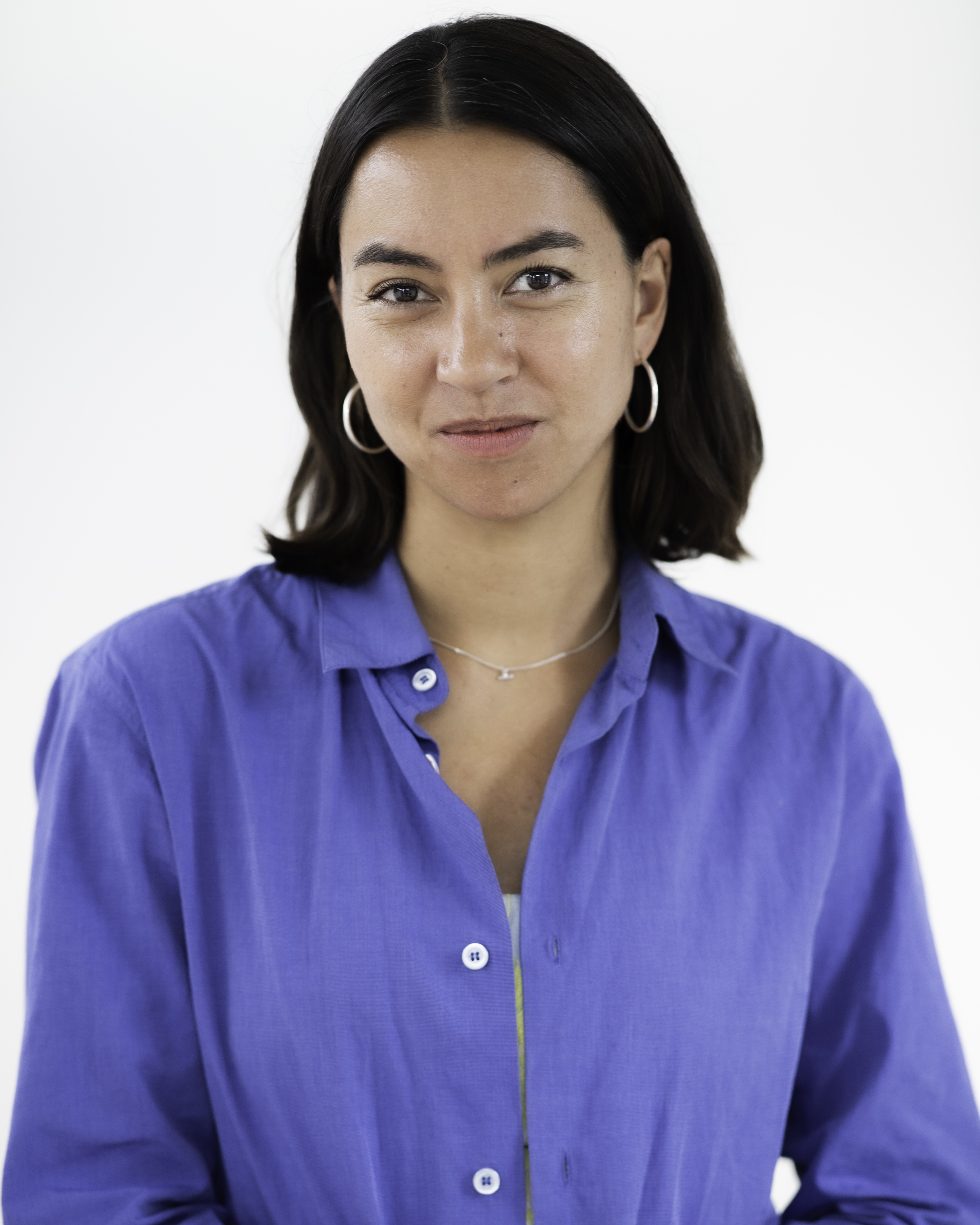
Email: willems@mpib-berlin.mpg.de
Yayouk Willems is a developmental psychologists studying how social disparities affect child and adolescent development across the lifespan. She earned her PhD at the Netherlands Twin Register, Vrije Universiteit Amsterdam, and currently works as postdoctoral fellow at the Biosocial – Biology, Social Disparities, and Development, Max Planck Institute for Human Development in Berlin, Germany. Her current research centers around the effects of unconditional cash gifts in early childhood on children’s epigenetic profiles of health and wellbeing.
This project has received funding from the European Union’s HORIZON-MSCA-2021-DN-01 programme under grant agreement number 101073237
 essgn.org